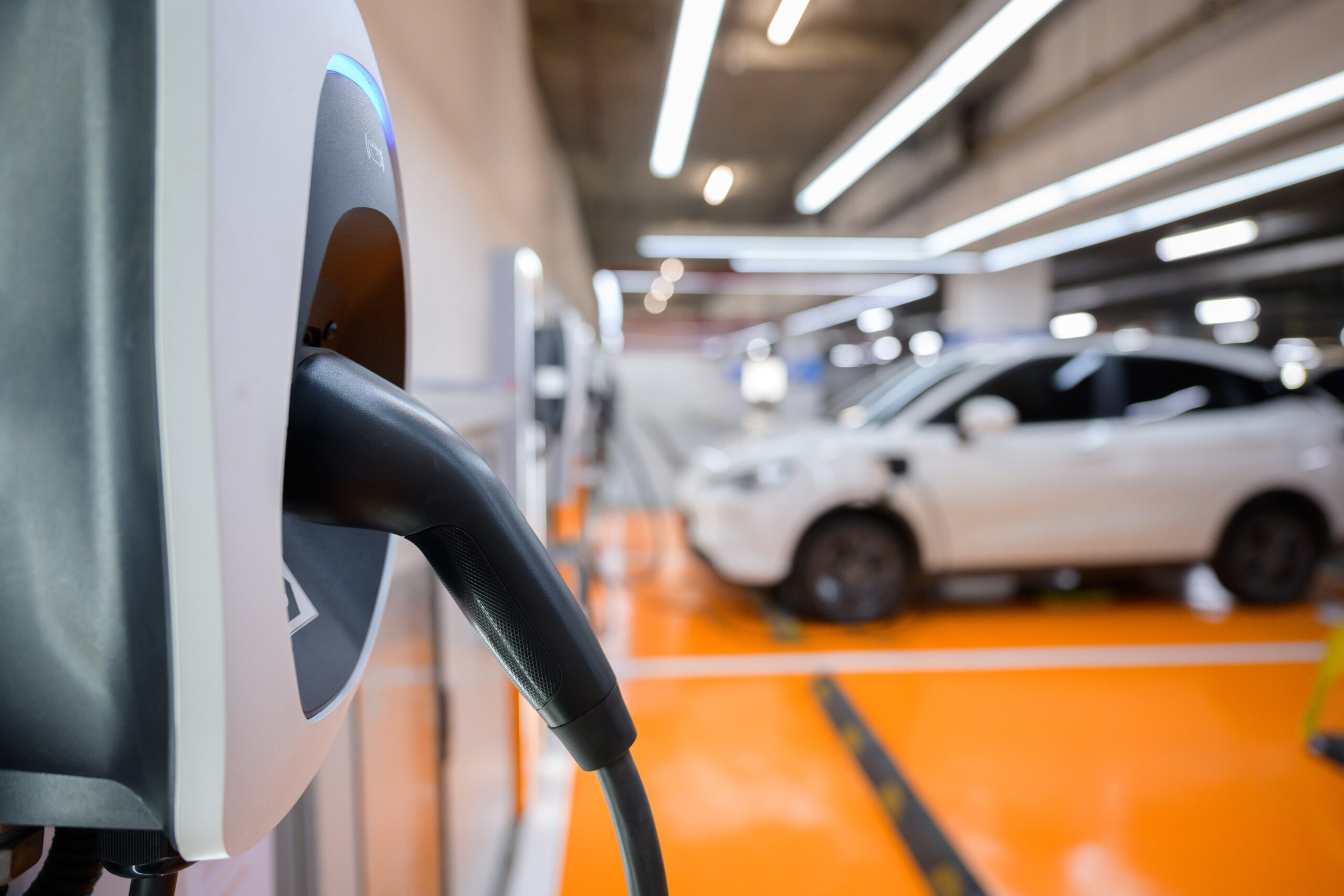
Have your customers, visitors, or staff been asking when you are getting EV charge points? Perhaps you’re at the stage of thinking through the options for your first install of workplace charges, or you might be looking to scale.
Here are six key considerations when deciding on EV Charging for your business…
- Showcasing your green credentials
Is publicly supporting electric vehicle adoption, contributing to a sustainability strategy, and improved local air quality something that’s important to your business? If the answer is yes, then installing EV charge points is a great way to show it! It demonstrates to your staff, customers, and visitors that you are taking steps to mitigate climate change, whilst being able to meet their needs now and in the future.
- Benefits for staff, customers, visitors and you!
Offering EV charging at work benefits everyone.
It supports fleet electrification and when it comes to attracting and retaining staff, EV charging is a tangible benefit, appealing to colleagues who are increasingly driving electric.
If you’re looking to increase visitor numbers and improve dwell time at your business, EV charging can help. If people decide to visit you because they know they can charge their EV whilst there, or they spend longer with you because their EV is charging, it’s a win for you and your visitors!
- Land ownership
Whether it’s EV charge points at your head office, or chargers at business locations around the country, the question of who owns the land they will be installed on is critical. If you’re not the landowner, make sure you know who you (or us as your installation partner) should be having a conversation with. That way landlord permissions can be sought and decisions made without unnecessary hold ups.
- Funding, user tariffs, and operation
If you’re installing EV charge points in a private workplace, you’re likely to be funding the installation. Your business could qualify for the UK’s Workplace Charging Scheme, which provides government support for organisations towards the cost of installing up to 40 electric vehicle chargepoint sockets at eligible places of work. The scheme covers up to 75% of the total costs of the purchase and installation of EV charge points (including VAT), capped at a maximum of £500 per socket and the grant is currently available until March 31st, 2027.
You’ll also need to consider whether you’ll be collecting a flat fee from users for the electricity used, using real time pricing, or providing complimentary or discounted charging for staff.
If you’re a visitor attraction, leisure or retail destination, thinking through your overall approach is key. Will you fund and operate any EV charge point installation yourself, or are you interested in seeking out a suitable funder so that you pay no up-front cost for the infrastructure? Making the investment yourself means taking all the revenue generated based on frequency of use. If you’re curious about funding options, it’s worth bearing in mind that larger Charge Point Operators are often focused on busier locations that have a large footfall and naturally attract a greater number of visitors. There are smaller funders who are happy to consider locations that are further off the beaten track too. Both self-investment and funded options have their advantages and things to take into account, and we’re happy to discuss those with you.
- Grid capacity, load management, inclusivity and future proofing
In terms of grid capacity (whether your building or site can handle the new power load), Agreed Supply Capacity (ASC) needs to be requested from your District Network Operator (DNO) – something we can do on your behalf.
If your building’s power supply is limited, smart load-balancing software can be used to dynamically distribute electricity across charging vehicles to prevent potential power outages.
Ground trenching, cabling, and new electrical cabinets are part of the ground works and it’s worth thinking about future proofing your site – laying extra conduit and wiring during the initial construction, so you can add more charge points at a later date should you wish to. This way you’ll save on additional future costs or disruption.
Inclusivity is also a key consideration and accessible spaces with wider bay widths and low-height charger screens should be planned in too.
- Charging speeds and policies for use
You’ll need to decide what type of charging is most suitable for your particular site… AC Fast Chargers (7 kW – 22 kW) or DC Rapid Chargers (50kW+). AC chargers are cost-effective and perfect for employees parked all day, or visitors staying for longer durations (destination shoppers or hotel guests for instance). DC chargers are more suitable for users who need a quick charge – people or fleets needing a fast turnaround, or short stay visitors for example. It’s also important to set clear guidelines on who can use the chargers and for how long, to prevent blocked bays.
We hope this has given you plenty of food for thought and we’d love to chat with you about your workplace charging project. Contact us for a conversation and join the thousands of businesses making a difference with EV Charging in the workplace.